

Tax changes are causing the number of second homes and holiday rentals in England to fall, according to new research from Generation Rent.
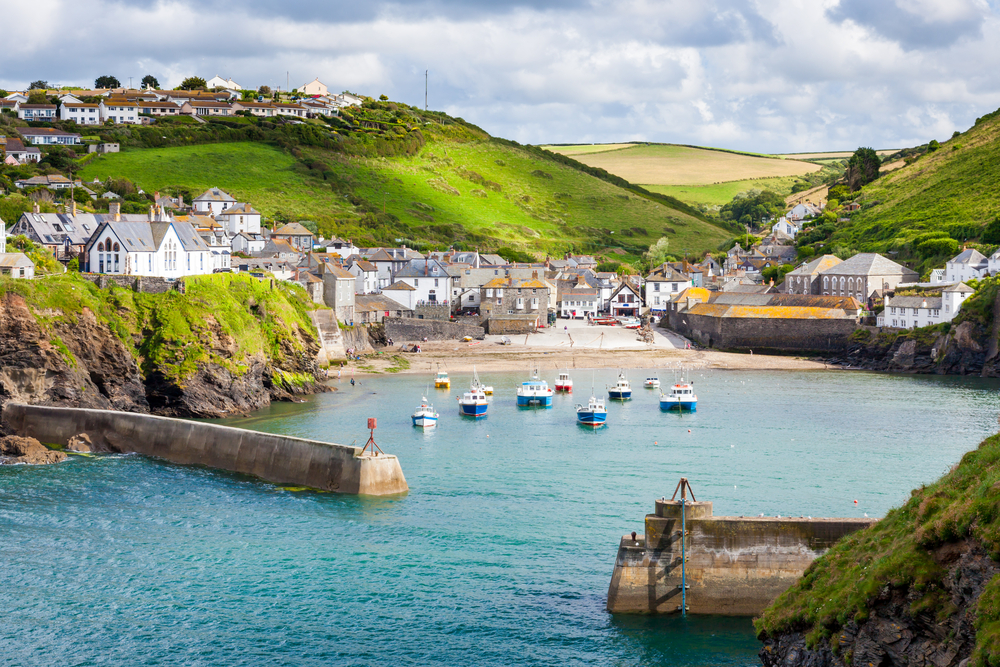
Port Isaac in Cornwall: a hotspot for holiday rentals
The total number of second homes and holiday lets peaked at 347,000 in 2024, before falling to 336,000 in 2025, after the government cut tax breaks for short-term lets and gave councils more powers to increase council tax on these properties, the campaign group found.
Generation Rent says the decline marks a reversal of a decade-long trend in which rentals of holiday lets and second homes grew strongly, especially in tourist hotspots, making it harder for local renters to find long-term accommodation.
Between 2015 and 2022, the number of holiday lets registered for business rates increased by around 35,000, while the number of second homes registered for council tax increased by around 12,000.
The subsequent drop in numbers follows a package of reforms introduced between 2022 and 2025, including stricter rules for holiday lets to qualify for business rates, the abolition of mortgage interest relief for holiday let operators and new discretionary powers for councils to charge council tax premiums of up to 200% on second homes.
More than 70% of councils in England now charge a 100% council tax premium on second homes, with around 170,000 properties subject to the higher tax in the current financial year.
The research highlights regional differences, with the number of holiday homes continuing to rise in some areas, despite national declines.
Generation Rent also points to councils such as Kensington and Chelsea, which currently do not charge a second home premium, despite having almost 8,000 second homes, accounting for around 9% of the housing stock.
Dan Wilson Craw, deputy chief executive of Generation Rent, said: “Everyone needs a safe home that they can afford, but in many parts of Britain short-term holiday lets have driven families out of their communities as landlords have switched from renters to tourists.”
He says: “The recent policy changes appear to have led to an encouraging fall in the number of holiday homes, although it appears that some owners have responded to the second home premium by switching their tax status back to holiday lettings.
Wilson Craw added: “That means there is more work to be done to bring houses back into residential use.”
“The government should give local authorities in England the power to grant holiday rental licenses and limit the number of them to ensure communities can thrive.”