

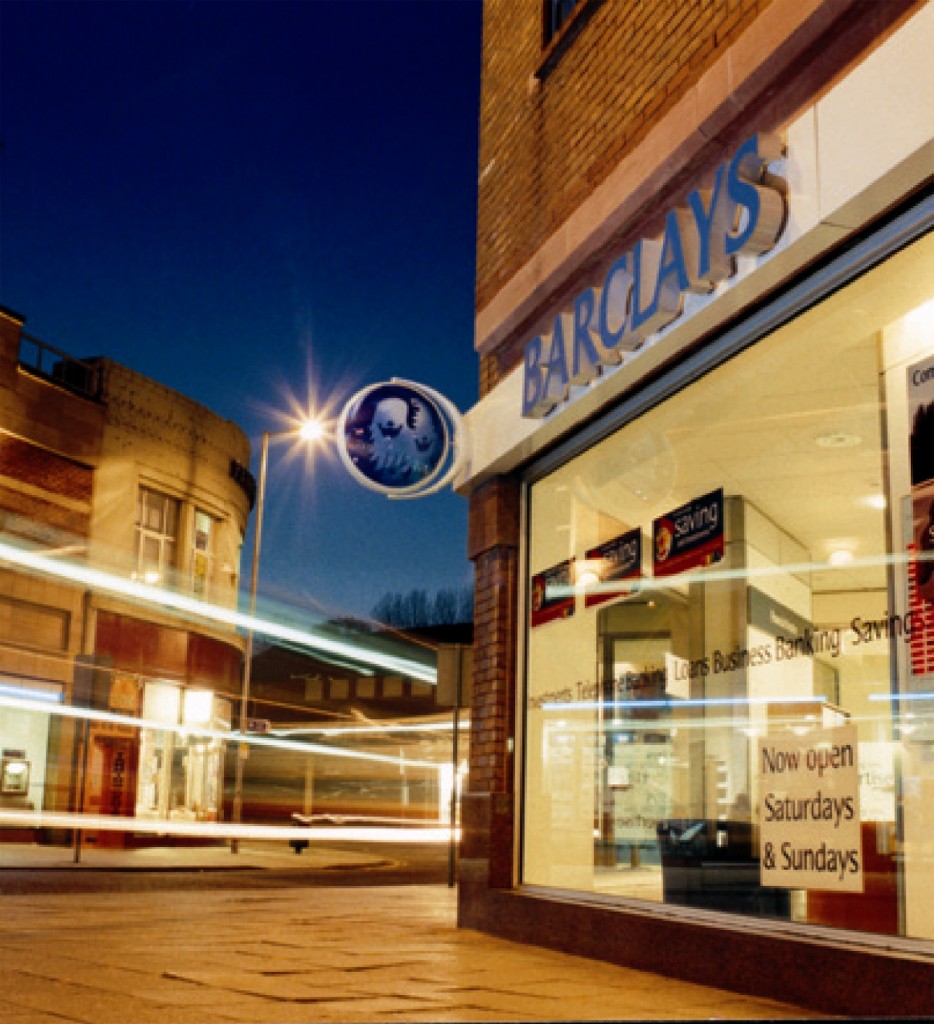
Barclays will increase rates on many of its products by up to 40 basis points tomorrow, while also cutting prices on some deals.
The lender increases the scores of existing customer rates for residential deals for purchase and remortgage.
Many of the most substantial increases are on two-year fixed rates, such as a 75% LTV fix at 4.81% without fees, which will increase by 40 basis points to 5.21%.
A number of other two-year fixes will increase by the same margin and there are further price increases of between 14 and 35 basis points for the existing customer base.
The rate cuts include the bank’s five-year purchase springboard, pegged at 100% loan-to-value (LTV) without fees, which will be reduced from 5.64% to 5.54%. This has a minimum loan of £5,000 and a maximum loan of £500,000.
Inside BarclaysIn the purchase and remortgage range, the two-year offset tracker with a 75% LTV with a £1,749 fee is reduced from 4.97% to 4.82% and the five-year offset tracker with a 75% LTV with a £1,749 fee is reduced from 5.00% to 4.85%.
These both have a minimum loan of £5,000 and a maximum loan of £2 million.
This comes next Barclays pushed prices by up to 55 basis points last weekwith widespread rate increases across both buy-to-let and residential products.
Existing customer deals and rates for new contracts also saw price increases.
Commenting on this, Aaron Strutt, product and communications director at Trinity Financial, said: “Most major lenders have raised rates again, so we’ve had virtually another full round of mortgage price increases in recent days. The swap rate market has been calmer, but we don’t expect cheaper rates to become available until the war in the Middle East ends.”
“These latest price increases from Barclays are not pretty, especially as most new solutions are priced just below or above 5%. Nationally, NatWest and Halifax currently have the cheapest two-year solutions at around 4.80%.”
“The only good news is that Barclays doesn’t appear to be increasing its tracker rates, and because they start at 4% they are 1% lower than fixed rates. Borrowers can get a tracker, switch to a fixed rate if they see a good deal and hope the base rate stays the same for at least a while.”