

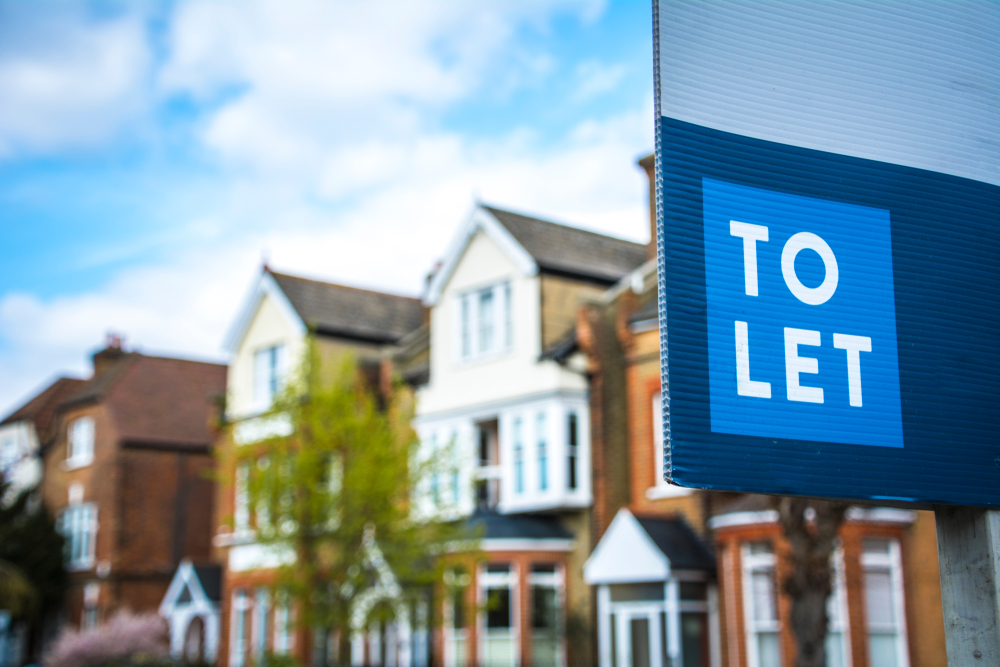
Average room prices have reached record highs across much of Britain, according to data from flatshare platform SpareRoom.
Spareroom said the rental market is showing new signs of tightening following the introduction of the first phase of the lease Tenants’ Rights Act.
Data for the second quarter of 2026 shows that average room rates in six of Britain’s nine regions have reached record levels, while the supply of available rooms has fallen for the first time in three years.
Room rental supply fell by 3.2% compared to the same period last year, reversing a long period of growth. Supply had previously increased by 8.7% in the second quarter of 2025, by 24.2% in the second quarter of 2024 and by 15% in the second quarter of 2023.
The average cost of renting a room in Britain is now £761 per month, up 0.5% year-on-year and almost 7% higher than three years ago.
The South West recorded the largest annual regional rent increase, with average room rents rising by 1.6%, while East Anglia saw the strongest growth in the past three years, with rents rising by 9.9%.
Greater London was the only region to record an annual decline, with average room rents falling 0.2% to £915 per month.
Of all the UK countries, Northern Ireland saw the strongest annual increase in room rates, up 3.8% to an average of £580 per month. Over the past three years, rental prices in Northern Ireland have risen by 12%, the largest increase of any British country.
Scotland recorded an annual increase of 1.1% to £698 per month, while rents in Wales rose 1% to £594. In England, average room rates rose 0.5% to £767.
At a city level, Norwich recorded the strongest annual increase in room rates, with prices rising 5.1% to £619 per month. Exeter followed with a 4.9% increase, while Liverpool saw rents rise 4.4% to a record £556 per month.
Coventry also saw strong growth, with rents rising by 4.1%, while Milton Keynes saw a 1.7% increase to £686 per month.
London remained Britain’s most expensive city in terms of flat shares, with average room rents of £979 per month. Edinburgh (£834) and Oxford (£814) were the next most expensive markets.
At the other end of the scale, Lincoln was the cheapest city for renters, with average room rates of £510 per month, despite having the biggest annual decline of all cities at 4%. Swansea (£532) and Sheffield (£533) were also among the most affordable locations.
Although Sheffield remained one of the least expensive cities, rents matched the record highs first reached in the third quarter of 2025 and were 1.4% higher than a year earlier.
Matt Hutchinson, director of SpareRoom, said rising rents remain a major problem despite reforms aimed at improving conditions for tenants.
He said: “The Renters’ Rights Act will improve standards, but it is only half the battle. The next, crucial step is tackling affordability. You cannot solve the housing crisis through regulation alone.
“Unless real action is taken to protect and expand rental supply, renters will continue to face higher rents, tighter supply and even greater pressure in an already tight market. Flatsharing is the cheapest way to rent, but the data shows it is far from immune to market pressures.”