

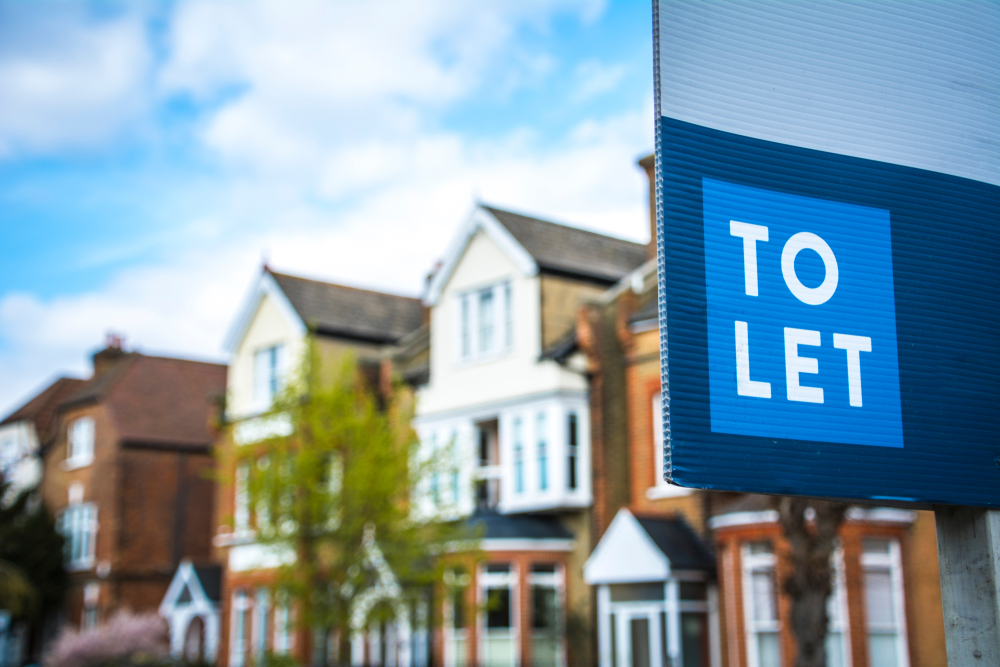
Britain’s private rented sector (PRS) has suffered its biggest fall this century, with its value falling by £48 billion by 2025, Savills reveals.
However, data from Savills shows that the value of owner-occupied housing stock will increase by £185 billion by 2025 as the number of mortgage-free owners continued to rise, while mortgage ownership levels benefited from increased first-time buyer activity.
The research also found that the PRS is the only housing sector to have shrunk over the past three years, falling by 5.1%, despite the UK housing sector growing by 3.8% overall, amounting to £336 billion.
It also shows that property values have fallen by a total of £79 billion since 2022 as rising house prices have failed to offset stock losses.
Savills says growth is driven by owner-occupied properties.
Over the past three years, the value of mortgaged owner-occupied homes has increased by £197 billion, surpassing the £139 billion increase in the value of mortgage-free owner-occupied homes.
Meanwhile, the increase in private home values since 2022 has been largely supported by a 4.7% increase in homeowners’ outstanding mortgage debt.
Savills head of housing research Lucian Cook says: “Over the past 25 years we have become accustomed to the narrative of the growth of the private rental sector at the expense of people’s ability to get into the housing market.”
“But while deep-seated housing challenges remain, lighter regulation of the mortgage market and tighter supervision of the private rental sector are gradually starting to change this story.”
“Changes in rental legislation, higher operating costs and higher mortgage rates have prompted many private landlords to reassess their portfolios.”
“Larger landlords, better equipped to absorb the additional costs and demands, have taken over some of these shares, helping to create a more professionalized PRS. But others have been sold to owner-occupiers, reducing the overall size of the sector.”
Cook added: “With more former PRS shares available to buy, new buyer activity has been relatively strong in the context of the credit crisis. This has been supported by the less stringent application of mortgage regulations, falling mortgage rates and rising wages.”
“But there are still significant barriers to home ownership, and part of the growth in mortgaged home ownership is due to people taking longer to pay off their mortgage debt. The decline in the number of available homes will also continue to push up rental prices, creating challenges for those struggling to save for a deposit.”